⛩️
Called 82 days ago · 6-18 months
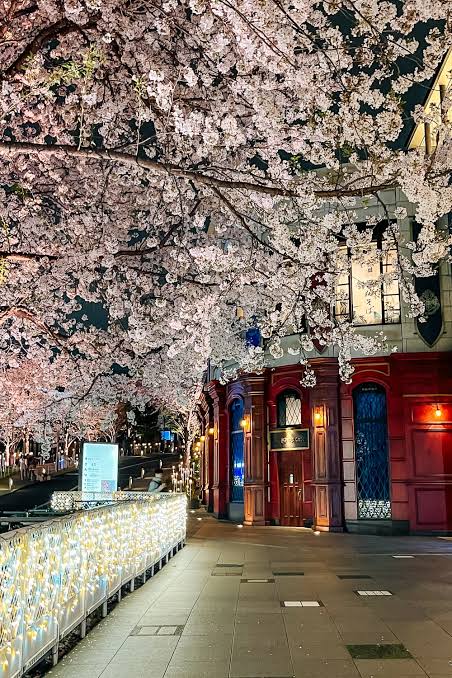
#1 Follow “Japan's inbound tourism boom — epitomised by weak-yen-fuelled luxury spending during cherry-blossom season in prime Tokyo districts — will keep surging, driving high-end retail, duty-free, hospitality and travel infrastructure.”
The trades · 4
Isetan Mitsukoshi Holdings LONG
Equity · spot
Japan's premier luxury department-store group is the single purest listed proxy for tax-free spending by inbound tourists — its flagship Shinjuku and Ginza stores capture exactly the high-end hanami-season shopper the image evokes. Tax-free sales have repeatedly hit records as the weak yen makes luxury goods cheaper for foreigners, and Isetan's revenue is disproportionately geared to that flow versus a broad Japan index.
Japan Airport Terminal LONG
Equity · spot
Operator of Haneda's passenger terminals and a huge chunk of Japan's airport retail and duty-free — the physical chokepoint every inbound tourist passes through. Its earnings scale almost directly with foreign arrival volumes and per-head duty-free spend, giving cleaner tourism leverage than an airline burdened by fuel and labour costs.
Keisei Electric Railway LONG
Equity · spot
Runs the Skyliner express that carries international arrivals from Narita into central Tokyo, so it earns directly on inbound footfall — and it also holds a large strategic stake in Oriental Land (Tokyo Disney), layering a second tourism-consumption engine on top. A focused way to own the rail infrastructure feeding the exact luxury districts pictured.
Shiseido LONG
Equity · spot
Prestige Japanese cosmetics are a top-tier tax-free purchase for inbound visitors, and Shiseido's domestic and travel-retail sales swing hard on tourist volumes from China and the rest of Asia. It expresses the 'weak yen makes premium Japanese brands a bargain' leg of the thesis more sharply than a broad consumer basket.
Tracking since 12 Jul equal-weighted · 4 trades